For importers and procurement managers, the sourcing region you choose shapes everything downstream — unit cost, product quality, lead-time reliability, tariff exposure, and how much engineering support you can lean on. China, Vietnam, and Taiwan are the three regions most office-furniture buyers weigh against each other. None of them is universally “best.” The right answer depends on what you’re making and who you’re selling to.
This guide breaks down the trade-offs so you can match the region to your product, not the other way around.
The Short Answer
- China offers the deepest, most vertically integrated supply chain and the most competitive pricing at high volume — but carries the most tariff and anti-dumping exposure for buyers shipping into North America.
- Vietnam has grown quickly as a “China + 1” diversification base, with competitive labor costs, but its office-seating supply chain is less mature for engineering-heavy products and still relies on imported components.
- Taiwan competes on engineering depth, in-house mechanism design, quality consistency, and direct communication — a strong fit for branded, ergonomic, or specification-driven products where defects are expensive.
If you’re moving commodity furniture in huge volumes on price alone, the calculus differs from sourcing an ergonomic chair you’ll put your brand on. Read on for the factors that actually move the decision.
Comparing the Three Regions
| Factor | China | Vietnam | Taiwan |
|---|---|---|---|
| Supply-chain maturity (office seating) | Highest — fully integrated | Growing — many components imported | High — strong in mechanisms & precision parts |
| Engineering / in-house design | Varies widely by factory | Limited for complex seating | Strong — mechanisms often designed in-house |
| Unit cost at volume | Lowest at scale | Competitive | Higher than commodity China/Vietnam |
| Quality consistency | Highly variable across suppliers | Improving | Consistent — a competitive differentiator |
| Communication with overseas buyers | Often via trading companies | Developing | Direct, responsive, English-capable |
| Tariff exposure (US-bound) | Highest — Section 301 & anti-dumping on some seating | Lower than China | Lower than China |
| Best fit | High-volume, price-led programs | Tariff diversification, simpler products | Branded, ergonomic, spec-driven products |
Tariff and anti-dumping rules change frequently and depend on the exact product classification and destination. Always confirm current duty exposure with a licensed customs broker before committing — the numbers above describe relative positioning, not a quote.
Factor 1: Product Complexity
This is the single biggest deciding factor, and it’s the one buyers most often underweight.
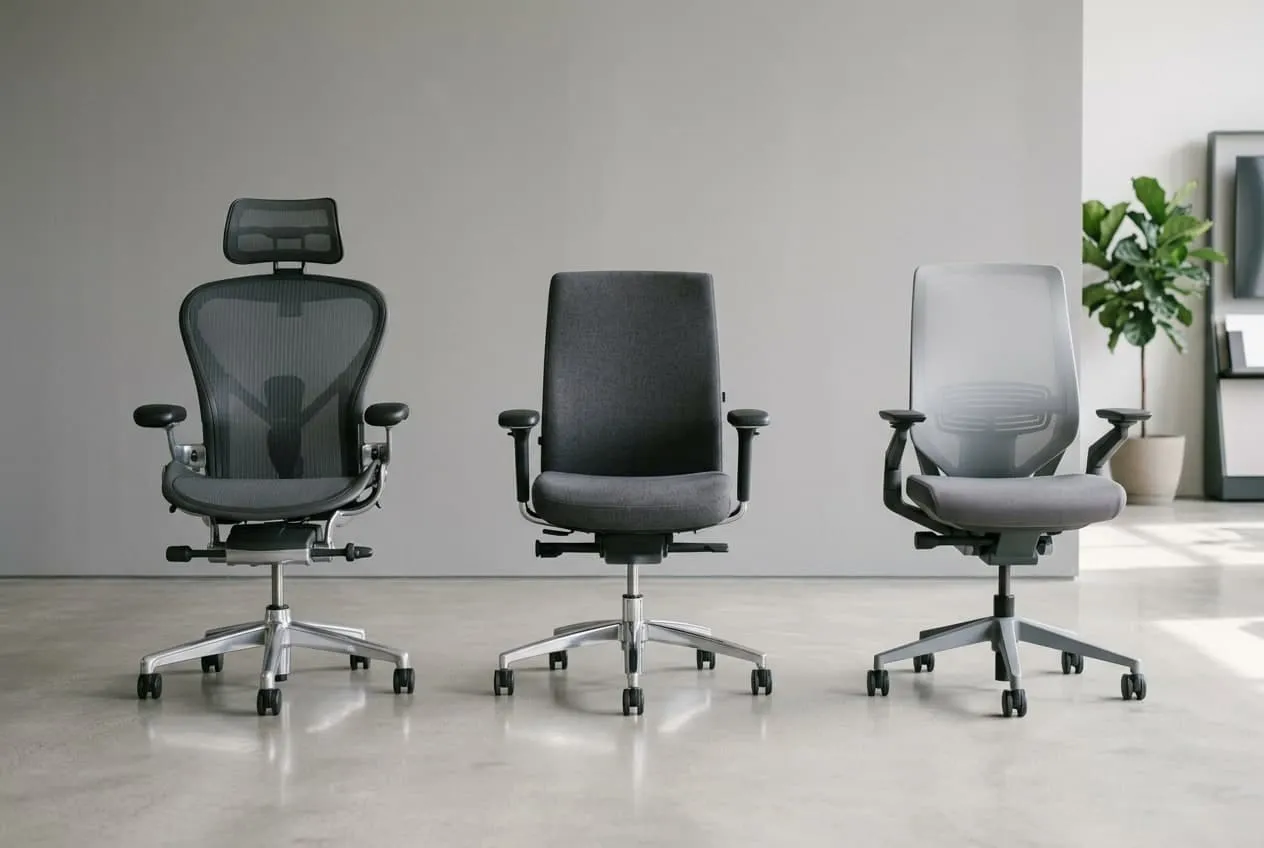
A four-legged stacking visitor chair is a relatively simple product — many factories across all three regions can build it well. An ergonomic task chair is not. It involves a synchro-tilt mechanism, gas-lift cylinder, multi-position armrests, lumbar systems, and molded foam — components that demand engineering know-how and tight assembly tolerances.
For mechanism-heavy products, engineering depth matters more than headline unit price. A factory that designs its own tilt controls and cylinders in-house gives you consistent components and someone who can actually answer technical questions. Taiwan’s manufacturing base built its reputation here. In Vietnam, complex seating mechanisms are frequently imported rather than made locally, which can add coordination risk.
For simple, high-volume products, the supply-chain depth and pricing of China — or the diversification benefit of Vietnam — may win.
Factor 2: Target Market and Tariff Exposure
Where you sell determines which duties you pay.
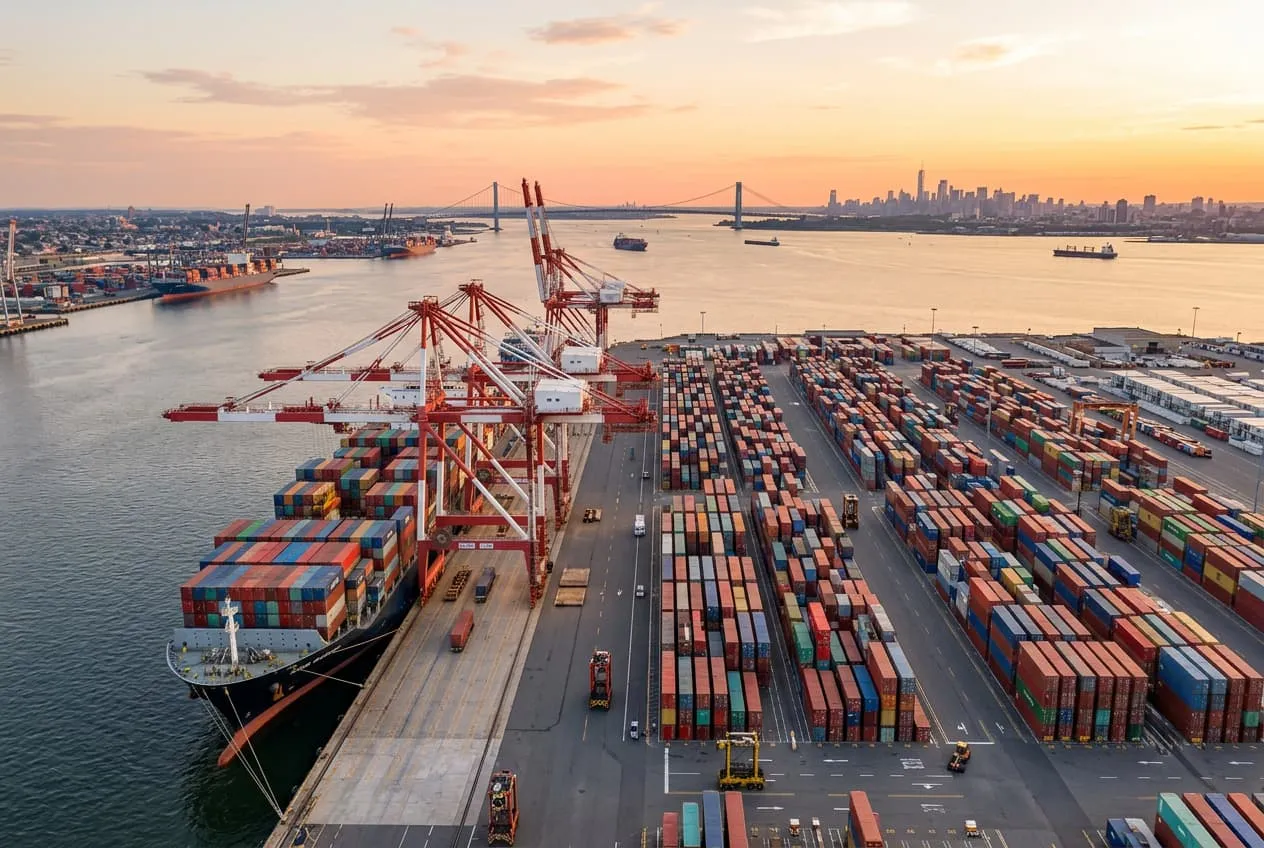
Buyers importing certain seating categories into the United States from China have faced additional Section 301 tariffs and, for some product types, anti-dumping duties. This is a major reason the “China + 1” strategy emerged — spreading production into Vietnam, Taiwan, and elsewhere to reduce single-country exposure.
Taiwan and Vietnam generally sit outside the China-specific tariff measures, which is why both have attracted buyers diversifying their supply base. But duty classification is product-specific and changes over time, so the only reliable move is to confirm your exact HS code and current rates with a customs broker before you compare landed costs. A lower factory price doesn’t help if duties erase the gap.
Factor 3: Quality Consistency and Defect Cost
The cheaper the unit, the more a defect costs you in relative terms — returns, warranty claims, and brand damage on a branded program can dwarf the per-unit saving.
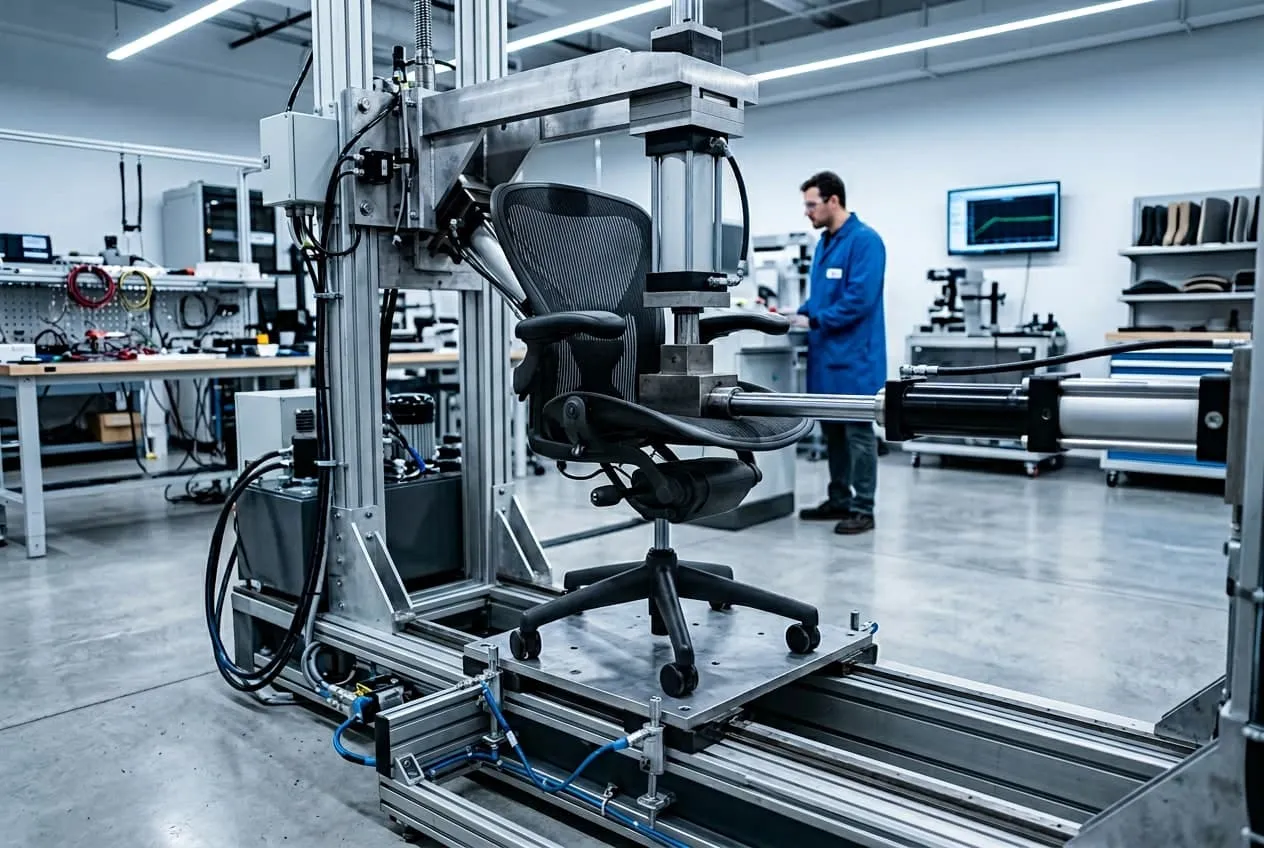
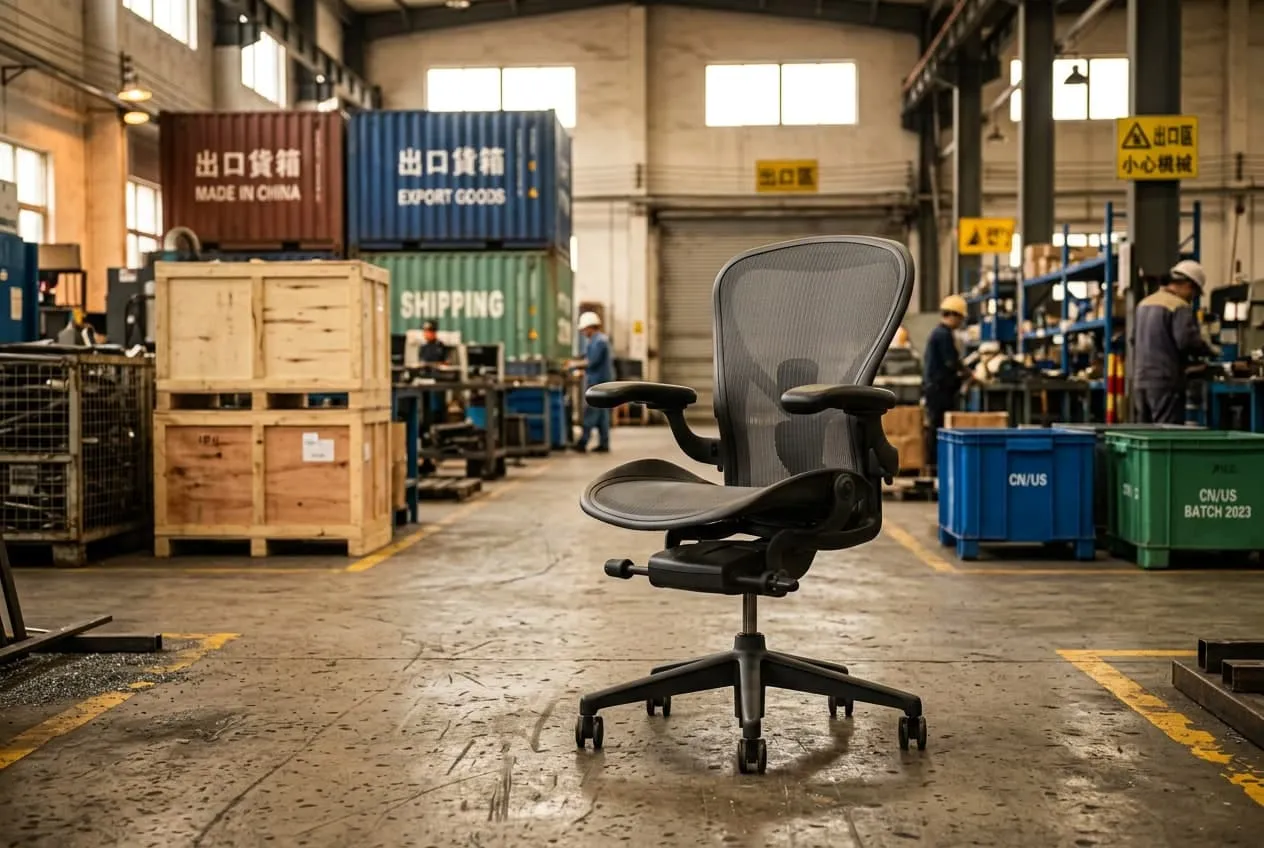
China’s supplier base is enormous and quality ranges from excellent to poor; your outcome depends heavily on vendor selection and inspection rigor. Vietnam is improving but less battle-tested for office seating specifically. Taiwan factories tend to treat quality consistency as their competitive position — testing to international standards like BIFMA X5.1 and EN 1335 as a matter of course rather than on request.
If you’re selling unbranded commodity stock, occasional variance may be acceptable. If your name is on the chair, consistency is worth paying for.
Factor 4: Communication and Lead-Time Reliability
Smooth production depends on how clearly and quickly a supplier answers technical questions, handles sample revisions, and flags problems early.
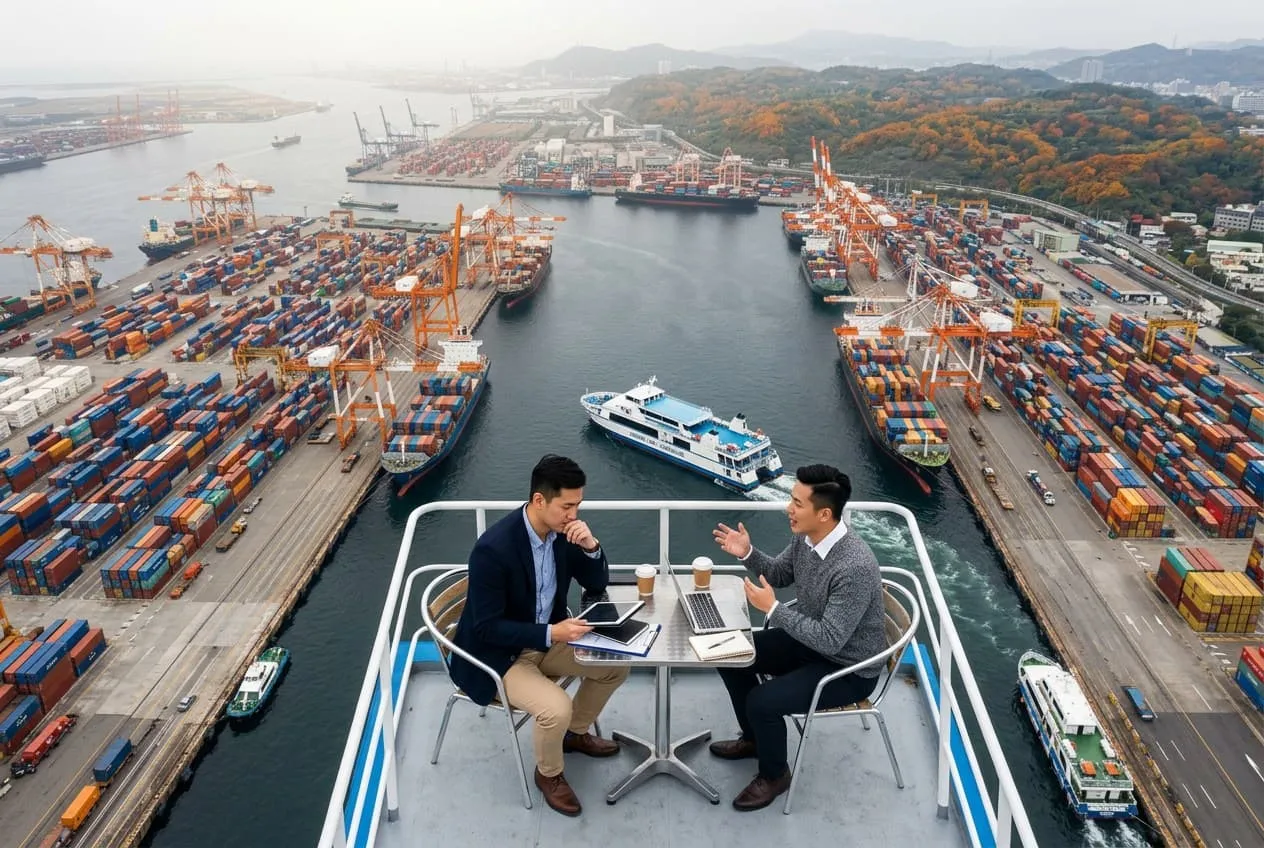
Dealing directly with a manufacturer’s own team — rather than through layers of trading intermediaries — usually means faster, clearer communication and fewer things lost in translation. Taiwanese manufacturers are widely recognized for direct, English-capable buyer communication. This is hard to quantify on a spec sheet but shows up everywhere in a real production run.
A Simple Decision Framework
Ask yourself, in order:
- How complex is the product? Mechanism-heavy and ergonomic → favor engineering depth (Taiwan). Simple and commoditized → China or Vietnam are viable.
- Where am I selling, and what are the duties? Confirm tariff exposure with a customs broker first. Heavy China exposure pushes you toward diversification.
- Is my brand on it? Branded and spec-driven → prioritize quality consistency and communication. Unbranded commodity → price and scale can lead.
- What volume am I running? Very high volume rewards China’s scale; mid-volume branded programs often suit Taiwan’s flexibility.
There’s no universal winner — only the best fit for your specific product, market, and volume.
Where CXstyle Fits
CXstyle Technology & Manufacturing has produced office chairs, ergonomic accessories, and seating solutions from its Tainan, Taiwan factory for over three decades. With six in-house processes — CNC machining, plastic injection, sewing, welding, foaming, and assembly — we support OEM and ODM buyers who need engineering depth, quality consistency, and direct communication.
We’re a strong fit for importers sourcing branded, ergonomic, or specification-driven seating, and for buyers diversifying their supply base away from single-country exposure. Explore our office mesh chairs, visitor chairs, and bar stools, or learn more about our in-house capabilities.
Frequently Asked Questions
Is Taiwan more expensive than China or Vietnam for office furniture?
At the commodity level, Taiwan’s unit price is typically higher than the lowest-cost China or Vietnam options. But for engineering-heavy and branded products, total landed cost — factoring in tariffs, defect rates, and rework — often tells a different story. Compare landed cost, not factory price.
Why are buyers moving from China to Vietnam or Taiwan?
Mainly to diversify away from China-specific tariffs and anti-dumping duties on certain seating categories shipped to the US, and to reduce single-country supply risk. This “China + 1” approach spreads production across multiple regions.
Which region is best for ergonomic task chairs?
Ergonomic chairs rely on complex mechanisms and precision components, which reward engineering depth and in-house design capability. Taiwan’s manufacturing base is particularly strong here. For specifics on your project, contact our team.
How do I compare quotes fairly across regions?
Compare landed cost, not factory price: add duties, freight, inspection, and expected defect/rework costs to each quote. A cheaper factory price can disappear once tariffs and quality costs are included.
Planning a sourcing decision? Every project’s MOQ, lead time, and pricing are confirmed per specification. Contact CXstyle to discuss your product, target market, and volume — we’ll help you scope the right approach.