Whether you’re outfitting a new office, running a furniture distribution business, or managing a corporate ergonomic program, buying ergonomic chairs in bulk requires a systematic approach. The decisions you make upfront — around specifications, suppliers, and logistics — will determine whether your chairs deliver on their ergonomic promise and whether your procurement experience is smooth or frustrating.
Step 1: Define Your Use Case
Before contacting any supplier, get clear on how the chairs will be used.
Office seating for 8-hour workdays demands the highest adjustability range and lumbar support quality. Chairs used less than 4 hours a day can trade some adjustment features for a lower price point.
Visitor and conference seating is used for shorter periods, so comfort requirements differ. Stacking capability and visual appeal often matter more here.
Specialized environments — dental offices, salons, industrial workstations — may require saddle chairs, stools with anti-fatigue properties, or chairs built to handle chemical exposure.
Matching the product spec to the actual use case prevents over-spending on features users won’t use, and under-buying on durability for high-use environments.
Step 2: Know Your Key Specifications
When evaluating ergonomic chairs for bulk purchase, these are the specs that matter most:
Seat height range: Should accommodate the range of user heights in your organization. A typical range of 43–53 cm covers most adults, but verify against your team’s actual measurements.
Lumbar support adjustment: Fixed lumbar bumps are better than nothing; height-adjustable and depth-adjustable lumbar systems are significantly better for varied body types.
Armrest adjustability: 4D armrests (height, width, depth, and pivot) are ideal for true ergonomic support. 2D (height only) is the minimum acceptable for office use.
Backrest tilt tension and lock: Users should be able to recline and lock the backrest at their preferred angle. Verify the tilt mechanism has multiple lock positions.
Gas cylinder rating: The gas cylinder should be BIFMA or EN 1335 rated for its weight category. This is a safety and durability indicator.
Base material: Nylon bases are standard; aluminum bases offer higher durability and a more premium appearance.
Step 3: Request and Evaluate Samples
Never commit to a bulk order without physically testing samples. When evaluating:
- Sit in the chair and test all adjustments. Do they operate smoothly?
- Check foam density by pressing on the seat and backrest — it should feel supportive, not instantly bottoming out.
- Inspect assembly quality: look at weld points, stitching, and plastic part fit tolerances.
- Check the chair after sitting for 30+ minutes — do any pressure points emerge?
Step 4: Evaluate Your Supplier
Beyond product quality, your supplier relationship will significantly affect your experience. Look for:
Transparent pricing: Unit price, tooling costs (if customizing), shipping terms, and payment terms should be clearly stated.
Responsive communication: How quickly do they respond to technical questions? Slow responses during sales typically indicate slow responses during production issues.
References and export track record: Ask for references from other international buyers, or look for evidence of export to your target market.
Minimum order flexibility: Some manufacturers require very large MOQs for custom products. If you’re testing a new product, look for suppliers who accommodate smaller first orders. If you’re considering private-label customization, our OEM vs ODM manufacturing guide explains how each model affects MOQs and lead times.
Step 5: Plan Your Logistics
For international shipments:
- Incoterms: Understand whether you’re buying FOB (you arrange shipping from origin port) or CIF (supplier arranges to destination port). FOB gives you more control; CIF is simpler but less transparent on freight costs. Our FOB vs CIF furniture import guide breaks down the trade-offs.
- Lead time: Production lead time depends on the model, order volume, and customization scope, so confirm it in writing per project instead of working off an industry average — then build the confirmed date into your own delivery commitments. Contact us with your specification and volume for a schedule.
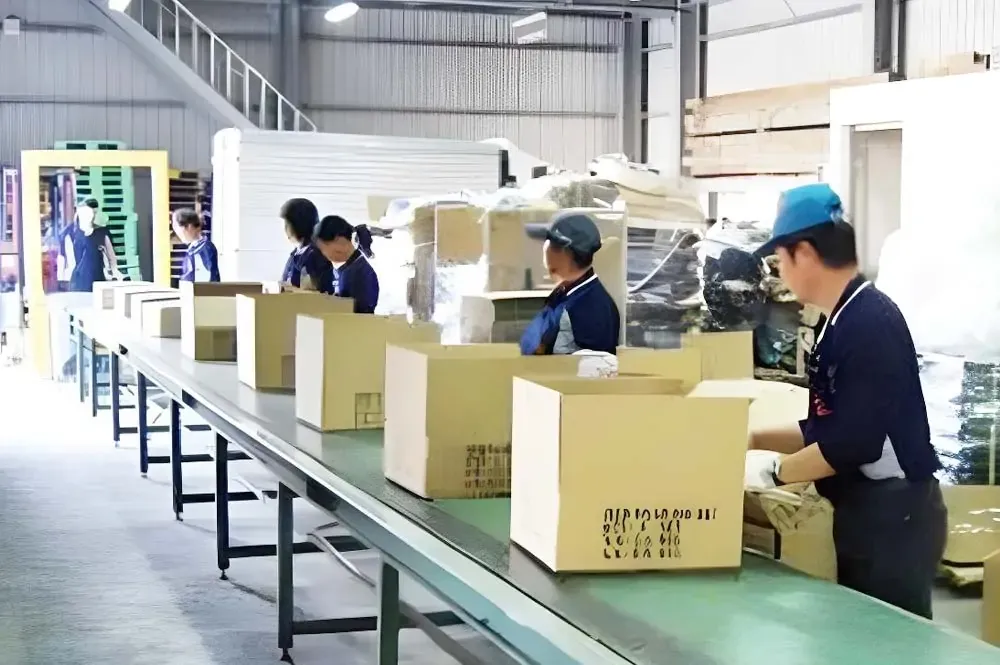
- Packaging: Confirm chairs are packaged for international freight, not just local delivery. Proper boxing prevents damage during ocean freight.
CXstyle exports office chairs and ergonomic accessories to buyers across North America, Europe, and Asia-Pacific. We support OEM and ODM orders with flexible MOQs and comprehensive pre-shipment quality inspection. Browse our office mesh chair collection to see current models, or contact us to request a wholesale catalog and pricing.