Spec sheets and quotations for office chairs are full of shorthand — “Class-4 cylinder,” “synchro-tilt,” “4D armrest,” “PA base.” If you’re an importer or distributor comparing offers from several factories, these terms are where quotes genuinely differ. Two chairs that look identical in photos can be separated by an entire durability class once you read the component list.
This glossary defines every major component in plain language, from the floor up. Use it to read spec sheets, compare quotations line by line, and write purchase orders that leave no room for substitution.
The Base
Five-star base. The star-shaped foundation of a swivel chair, almost always with five arms — five points resist tip-over better than four while keeping the footprint compact. Standards testing (BIFMA X5.1, EN 1335) evaluates base strength directly.
Nylon (PA) base. Glass-fiber-reinforced polyamide. The commercial standard — it passes BIFMA testing at a lower cost than metal. Most mid-market chairs ship on nylon.
Polished aluminum base. The premium option: stronger, heavier, and visually upmarket. An aluminum base typically outlasts the rest of the chair — 10+ years of service is normal — and commands premium retail pricing.
Chrome / steel base. Common on bar stools and drafting stools rather than task chairs. Heavier than aluminum, lower cost, high shine. Stool bases also carry the footrest ring — fixed on bar models, height-adjustable on drafting models.
The Gas Lift (Gas Cylinder)
The pneumatic column that raises and lowers the seat. This is the single most safety-critical component on the chair, and the one where cost-cutting hides most easily.
Cylinder class. An international durability grading. The two classes that matter in commercial sourcing:
- Class-3 — tested to 160,000 height cycles. Acceptable for residential, SOHO, and low-frequency use.
- Class-4 — tested to 200,000+ height cycles, the commercial standard. CXstyle’s standard gas lifts are SGS-certified Class-4 with an overload burst-protection valve.
If a quotation doesn’t state the cylinder class, ask. Swapping Class-4 for Class-3 is one of the easiest invisible cost cuts in the industry.
Stroke. How far the cylinder travels — typically 180–250 mm on stools and task chairs. Stroke determines the seat height range; a typical office range of 43–53 cm covers most adults. Drafting stools use extended cylinders to reach 80 cm.
Burst protection. A safety valve that prevents violent failure if the cylinder is overloaded. Standard on quality cylinders; worth confirming in writing.
The Mechanism
The metal control unit bolted under the seat — it governs how the chair tilts and locks. Mechanism choice changes the sitting experience more than any other single component.
Swivel-tilt (basic tilt). Seat and backrest tilt together as one unit, pivoting from the center. The entry-level mechanism, fine for shorter sitting sessions and visitor use.
Synchro-tilt. Backrest and seat recline at a synchronized ratio (backrest tilts further than the seat). Feet stay planted and the thighs don’t lift, which is why synchro is the standard for all-day ergonomic task chairs.
Multi-function (3-lever) mechanism. Independent control of seat height, seat angle, and backrest angle. Maximum adjustability for ergonomic programs where one chair must fit many body types.
Tilt tension. The knob (usually under the seat front) that adjusts how much force reclining takes — heavier users dial it up, lighter users dial it down.
Tilt lock. Lets the user lock the recline at a chosen angle. Verify how many lock positions the mechanism offers; multi-position locks are worth specifying for task use.
Seat slider (seat-depth adjustment). Slides the seat pan forward or back so taller and shorter users both keep proper thigh support. A hallmark of higher-spec ergonomic chairs.
Casters and Glides
Casters. The wheels. Two constructions dominate: hard nylon casters, suited to carpet, and softer PU-coated casters, which roll quietly and don’t scratch hard flooring. Specify by the end-user’s floor type — carpet-spec casters on a showroom’s wood floor is a common returns driver.
Glides. Fixed feet used instead of casters on visitor and conference chairs, where you don’t want the chair rolling away from the table.
The Seat
Molded foam. Foam cured in a shaped mold rather than cut from a block — it holds its contour and density longer. Foam density is the spec to watch: press the seat on a sample; it should feel supportive rather than bottoming out instantly.
Waterfall edge. The downward curve at the seat’s front lip that reduces pressure behind the knees during long sitting.
The Backrest
Mesh back. A tensioned breathable membrane instead of upholstered foam — cooler in hot climates and lighter to ship. Our mesh vs leather comparison covers when each construction sells better.
Lumbar support. The lower-back support built into the backrest, in ascending order of quality: fixed (a molded bump), height-adjustable, and depth-adjustable. Adjustable systems fit a far wider range of body types — the deciding factor for corporate and ergonomic-program buyers. Standalone lumbar cushions and backrests serve the retrofit market for chairs without built-in support.
Headrest. Supports the neck during recline. Usually height- and angle-adjustable on executive and high-back models; often optional on the same frame platform, so it’s typically quoted as an add-on.
Armrests: 1D to 4D Decoded
The “D” counts the directions of adjustment:
- Fixed — no adjustment. Standard on visitor chairs and budget task chairs.
- 2D — height plus one more direction. Height-adjustable is the minimum worth specifying for office use.
- 3D — height, width, and depth.
- 4D — height, width, depth, and pivot. The full-ergonomic spec for all-day workstations.
More directions mean more cost and more moving parts — match the armrest to the end-user rather than defaulting to the top spec.
Packaging and Testing Shorthand
KD (knock-down). The chair ships disassembled in a flat carton, significantly increasing per-container quantity and cutting per-unit freight. The alternative — assembled — costs more to ship but saves buyer-side labor.
BIFMA X5.1 / EN 1335. The North American and European durability and safety standards for office seating. Frame, base, cylinder, and armrests are all tested. Our BIFMA vs EN 1335 guide explains what each standard actually tests and which markets require which.
SGS report. Third-party test documentation from SGS, one of the major international testing bodies — the paper trail behind claims like “Class-4 cylinder.”
Using This Glossary in Your Next PO
When comparing quotations, check that each one states: cylinder class, mechanism type, base material, caster type, armrest spec, and foam density. If any line is missing, the factory has room to substitute. For the broader process around samples, supplier vetting, and logistics, see our bulk buying guide; if you’re weighing catalog models against a custom design, the OEM vs ODM guide explains the trade-offs.
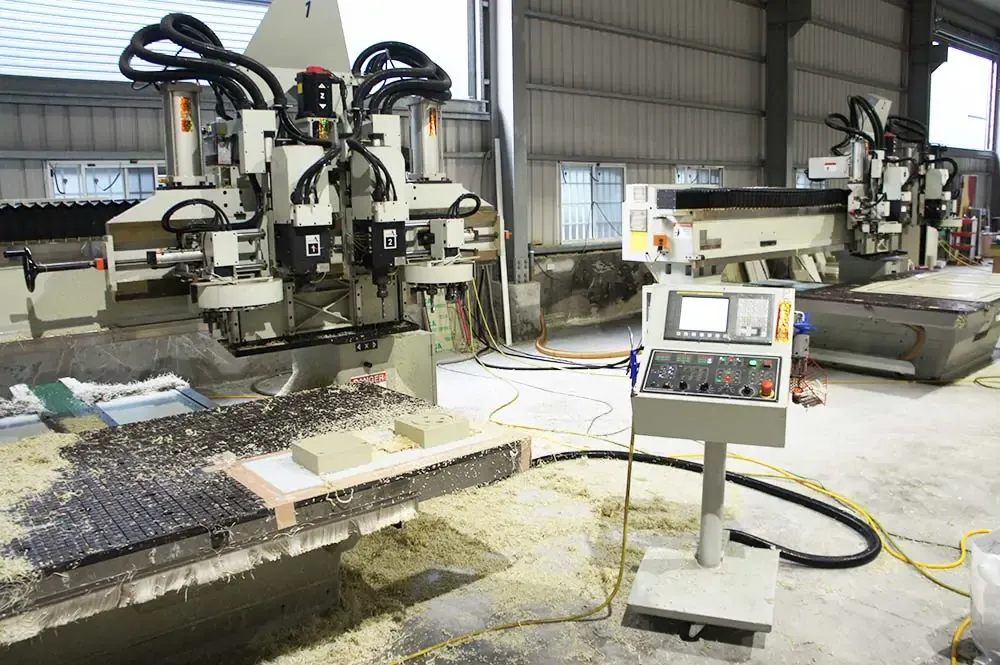
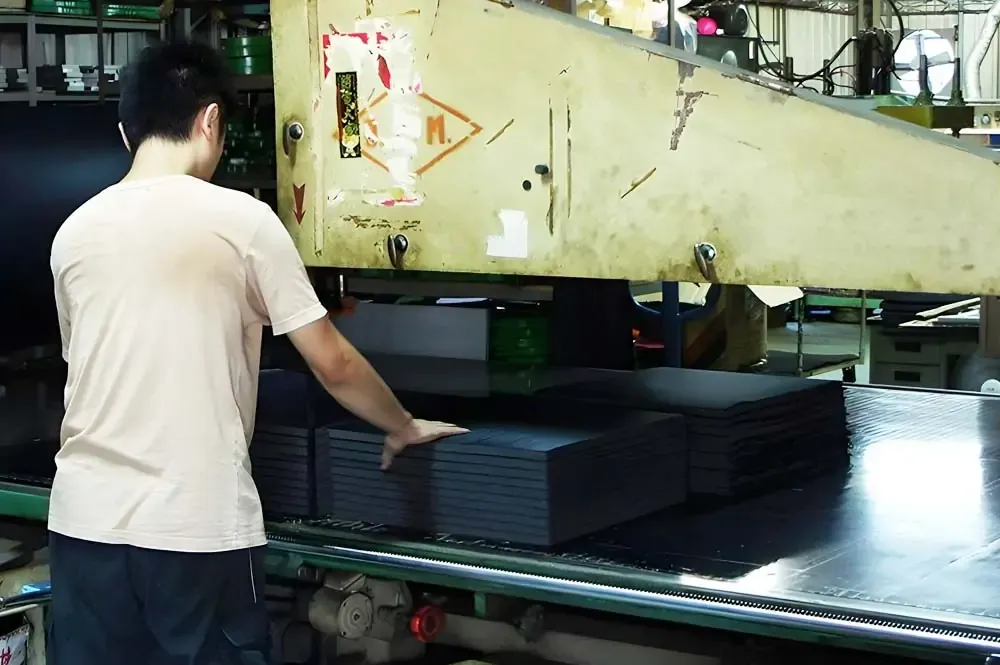
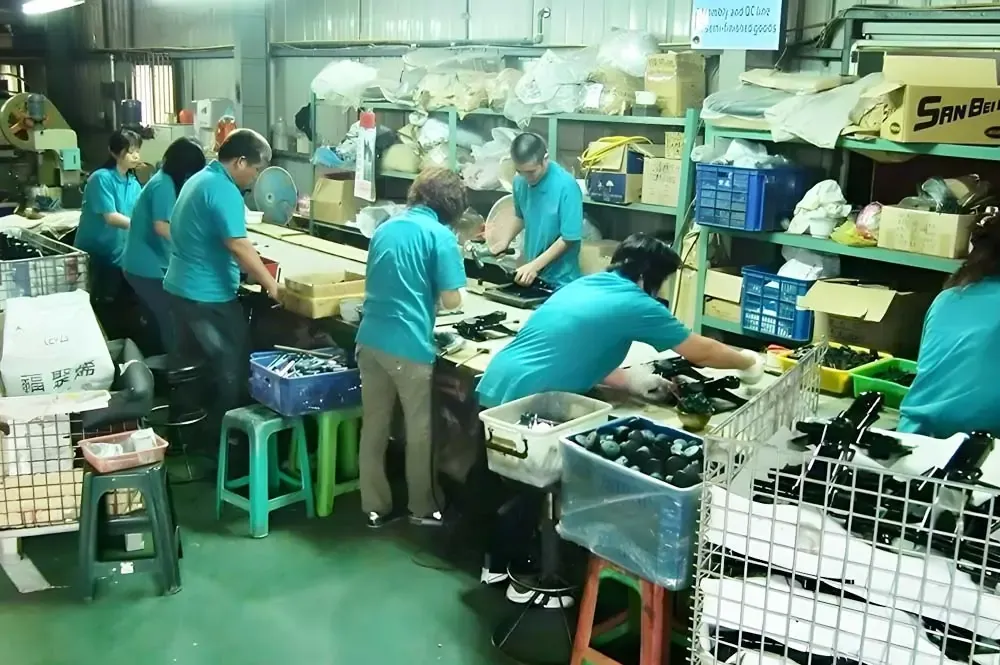
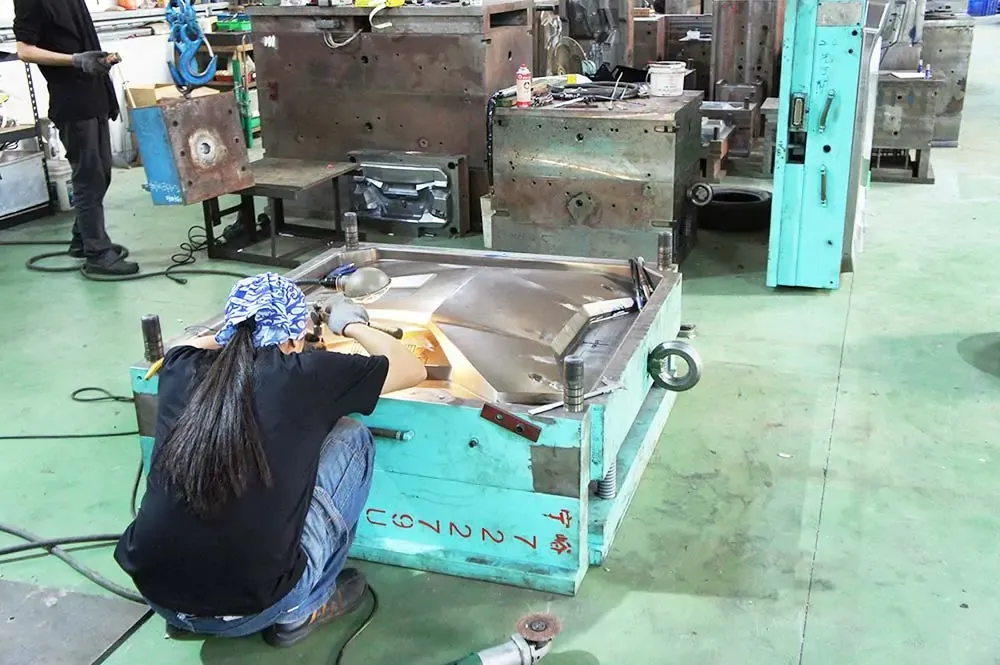
CXstyle manufactures office chairs, bar stools, and ergonomic accessories in Taiwan with in-house injection molding, metal punching, CNC machining, and sewing — which means component specs are controlled at the source, not assembled from traded parts. Browse the office mesh chair collection to see current models, or contact us with your component spec for a project quote.